







Search Results for: container shortages
De'Longhi Coffee Machine Indicator Light Faults: Illustrated Analysis of Common Alarm Causes and Corresponding Troubleshooting Methods
During the use of a De'Longhi coffee machine, the various indicator lights on the panel will display different states to indicate the machine's current issues. This article uses diagrams to explain one by one the meanings of the water shortage light flashing and staying on, the coffee grounds container indicator light flashing and staying on, the extractor abnormality represented by the triangular exclamation mark indicator light, and the excessive bean amount issue when the grounds container and exclamation mark flash simultaneously. It also introduces the meanings of the display icons on mid-to-high-end models, including water shortage, bean shortage, full grounds container, and descaling prompts. If the problem still cannot be resolved after troubleshooting step by step, it is recommended to contact a professional repair technician. We hope this is helpful to friends who are currently using De'Longhi coffee machines. [more…]

Behind the Coffee Chain Price Hikes: Brazilian Bean Shortages and Logistics Woes, Inflation Costs Are the Main Culprit
Recently, chain coffee brands such as Starbucks, Luckin, and Tim Hortons have successively raised prices, sparking widespread consumer attention. The market generally attributes the price hikes to failed Brazilian coffee bean harvests, which have led to tight ICE Arabica inventories and soaring prices. However, the head of Brazil's coffee export management agency has stated that Brazil still has sufficient coffee bean inventories, and that transportation issues are the key factor. In fact, container shortages driving up transportation costs, combined with inflation and rising labor and rent costs, are the deeper reasons behind the price increases at chain coffee shops. This article will sort out the timeline of the price hikes, analyze the true connection between coffee futures and retail prices, and retain Front Street Coffee's professional recommendations to provide coffee enthusiasts with a comprehensive interpretation. [more…]
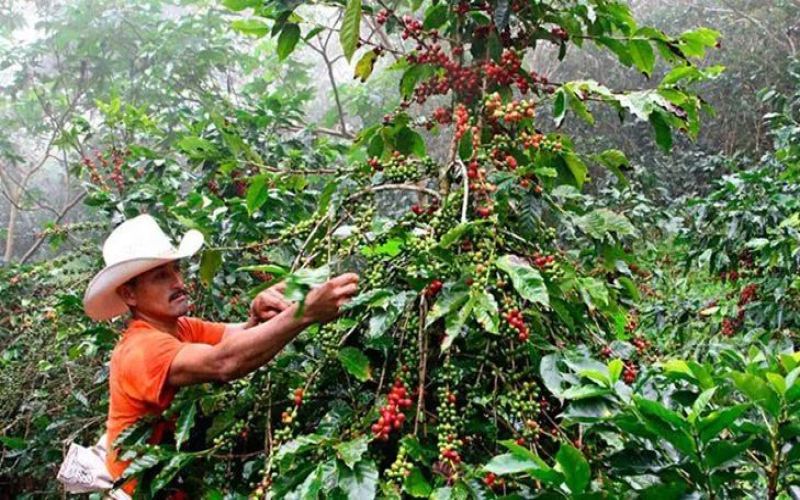
Honduran Migration Wave Hits Coffee Industry: Labor Shortage Crisis During Harvest Season, Exports to China Emerge as New Opportunity
Honduras is currently experiencing a severe socio-economic crisis. Corruption, institutional collapse, the impact of the pandemic, and hurricane disasters have compounded, pushing poverty rates to extreme levels, causing widespread closures in the export processing industry and the loss of over 100,000 jobs, with many of the unemployed choosing to emigrate abroad. This wave of emigration directly affects the coffee growing industry—as the harvest season approaches, there is a severe shortage of skilled pickers, and the prospects for the harvest are worrisome. At the same time, Honduran organic coffee beans have been successfully exported to China, with 12 companies authorized to trade with China, bringing a glimmer of hope for economic recovery. This article will outline the root causes of the crisis, its impact on the industry, and the latest trade developments. [more…]
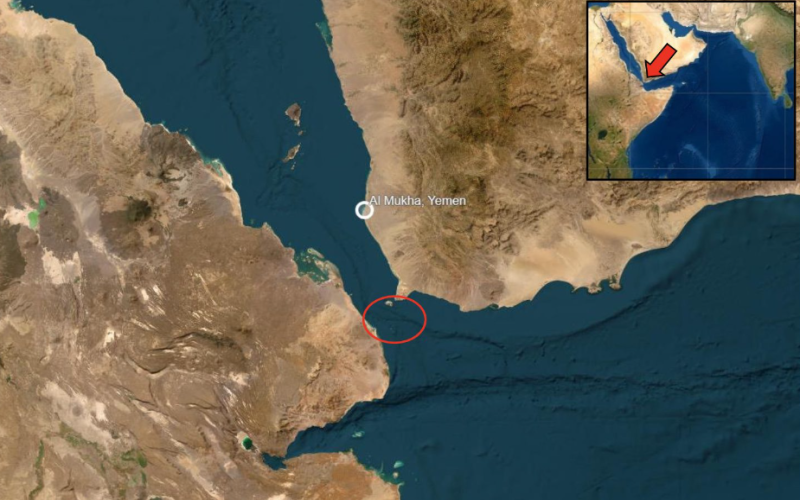
Red Sea Security Crisis Hits Global Coffee Supply Chain: Shipping Disruptions and Rising Prices
Recently, the Houthi armed forces in Yemen launched a large-scale attack on U.S. warships in the Red Sea. Although the U.S. military successfully intercepted the attack, the incident once again highlighted the tense situation in the Red Sea region. Since the escalation of the Israeli-Palestinian conflict last year, the Houthis have frequently attacked commercial ships, forcing global shipping routes to change and thereby having a profound impact on the coffee trade. Problems such as soaring transport costs, longer voyages, and container shortages followed one after another. European buyers turned to Brazil for purchases, East African coffee exports were hit hard, and international coffee prices continued to rise. This article will analyze in detail how the Red Sea crisis has disrupted the global coffee supply chain and discuss its specific impact on coffee-producing regions and consumer markets. [more…]
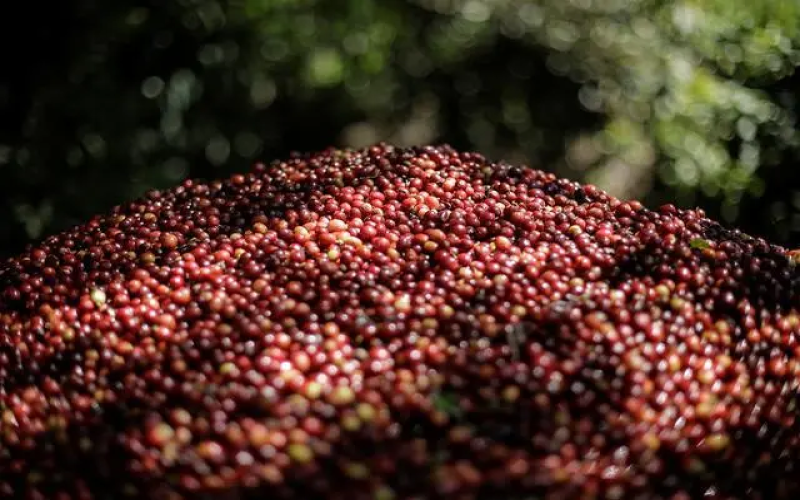
Extreme weather combined with labor loss puts Central America's coffee industry under pressure, pushing up international prices
The coffee industries of several Central American countries have recently encountered multiple challenges. In Costa Rica, unstable rainfall and labor shortages are expected to cause a production decline of about 13% in the 2023/24 season. In Nicaragua, affected by El Niño, drought persisted until mid-May, political factors have led to large-scale emigration, and labor shortages threaten harvest quality. The drought crisis at the Panama Canal remains unresolved, shipping costs are rising, and labor protests have delayed coffee harvesting. Together, these multiple factors are keeping coffee prices at high levels. [more…]
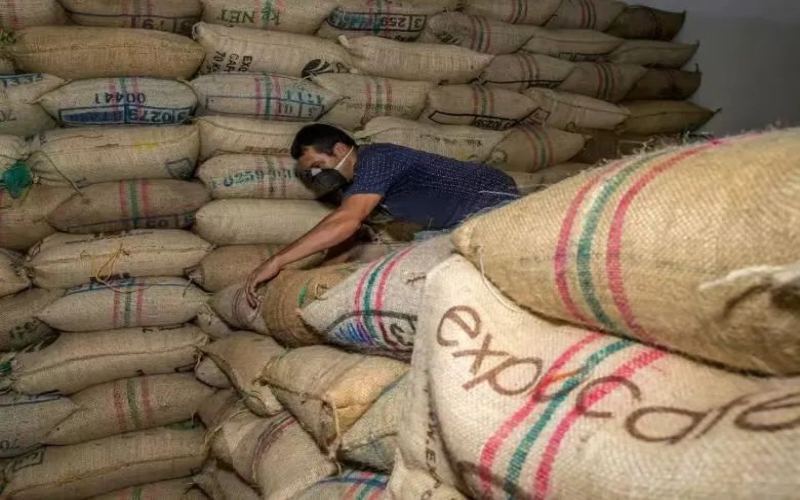
Colombia's annual coffee production climbs 21%, with export prospects and logistics challenges coexisting
The latest data from the National Federation of Coffee Growers of Colombia shows that the country's coffee industry is experiencing a significant recovery, with production increasing by 21% year-on-year over the past 12 months, reaching 12.41 million bags. This growth is attributed to improved weather, the renewal of disease-resistant varieties, and rising global coffee prices. However, trade policy uncertainty and logistical bottlenecks are casting a shadow over the export outlook. Tariff measures that may be implemented after the new U.S. president takes office, as well as issues such as port congestion and container shortages, could put pressure on Colombian coffee exports. Despite the rebound in production, it is still not enough to fill the gap left by Brazil's reduced output, and coffee prices are expected to remain high. Follow origin developments to learn the latest trends in the coffee market. [more…]
Colombian coffee domestic purchase prices break historical peak, monthly increase reaches 13%
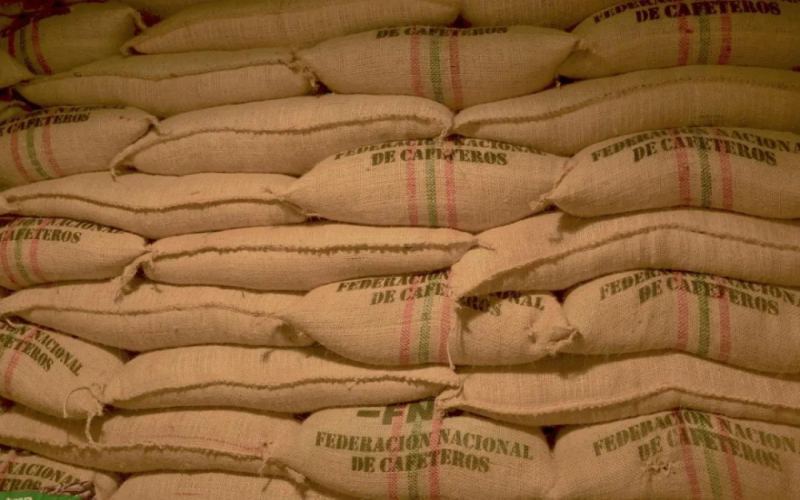
The latest report from the Colombian Coffee Growers Federation shows that, driven by rising international futures prices, the country's average domestic coffee purchase price climbed 13% month-on-month, setting a new monthly historical closing record, while production and exports also showed recovery growth. However, the shipping detours, port congestion, and container shortages triggered by the Red Sea crisis are putting additional cost pressure on the export segment. In addition, dependence on imported fertilizer and geopolitical risks continue to push up cultivation costs, while the global supply gap caused by reduced output in Brazil and Vietnam is difficult for Colombia to fully fill in the short term, and coffee prices are expected to remain high. [more…]
Red Sea shipping disruptions drive up coffee transport costs, war risk surcharges introduced, global prices continue to climb
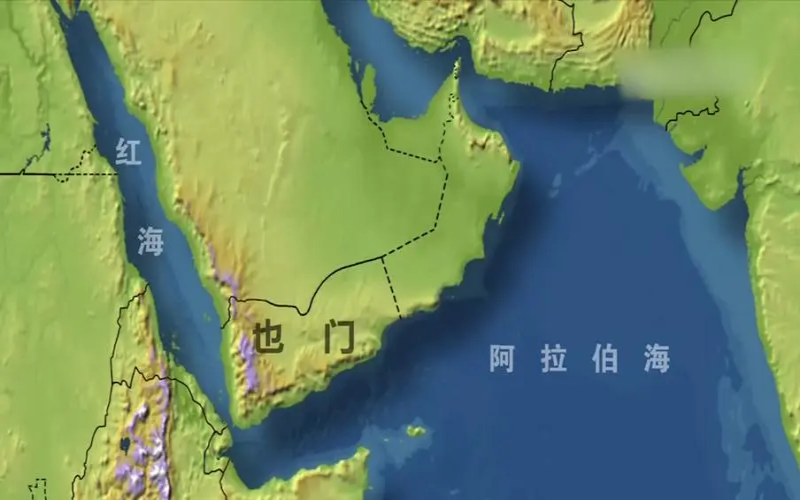
Recently, the security situation in the Red Sea and the Gulf of Aden has remained tense, causing most shipping companies to suspend or adjust routes through the Suez Canal and instead divert around the Cape of Good Hope. In its latest monthly logistics report, Swiss coffee trader Sucafina noted that frequent armed attacks have sharply increased risks near the Bab-el-Mandeb Strait; some carriers have resumed passage, but several companies, including CMA CGM and Maersk, have announced they will impose war risk surcharges. Route changes have extended shipping cycles by 2 to 3 weeks, reduced container turnover efficiency, and tightened capacity, which may further push up freight rates. Meanwhile, coffee transport in East African producing regions has been disrupted by truck and fuel shortages, with severe congestion at ports such as Dar es Salaam. Although Vietnamese robusta coffee prices have edged down slightly, Brazilian coffee prices have continued to rise on drought concerns. Front Street Coffee notes that supply chain pressure is transmitting from the shipping side to the consumption side, and coffee prices still face upside risks in the short term. [more…]
Frequent Red Sea Attacks Coupled with Port Congestion: Global Coffee Trade Hit by Another Shipping Crisis
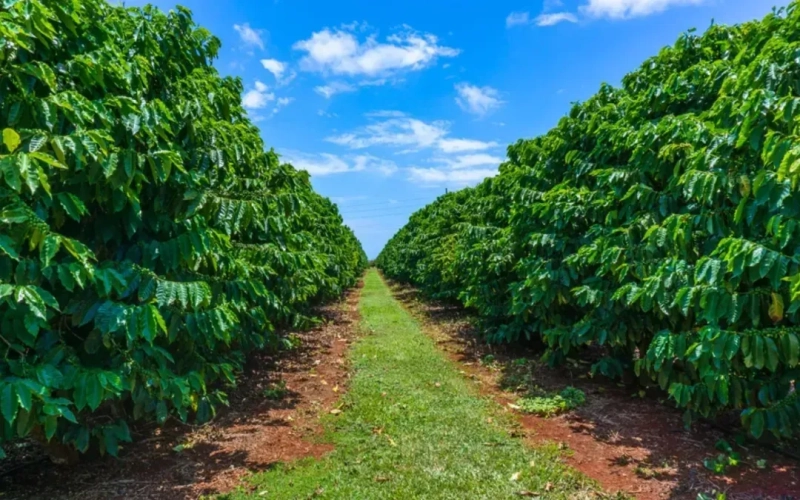
Coffee futures prices continue to run at high levels, with Robusta breaking through US$4,000 per tonne at the end of May and holding there since, driven by the double squeeze of simultaneous production cuts in the world's three major producing countries and a shipping crisis. Vietnam's exports fell 10.5% in the first half of the year, Brazil's harvest season underperformed expectations, and congestion at multiple Asian ports, a shortage of empty containers, and frequent Red Sea attacks have made coffee trade even worse. Freight rates from Asia to Europe soared from US$1,200 to nearly US$7,000, and Maersk warned that Red Sea disruptions will persist into the third quarter. This article will sort out how production, logistics, and geopolitical risks are jointly pushing up coffee costs, and follow Front Street Coffee's continued tracking of industry developments. [more…]
Robusta coffee prices hit a 29-year high: rising demand and supply chain pressures combine to drive the rally, with limited room for a pullback in the short term.
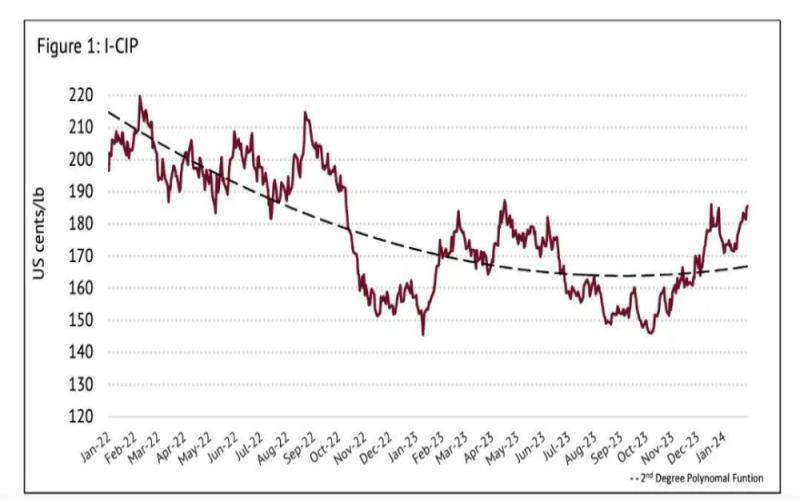
Recently, the coffee consulting platform Perfect Daily Grind published a report pointing out that Robusta coffee prices have climbed to their highest level in 29 years, mainly driven by multiple factors including growing global demand, supply shortages, and transportation bottlenecks. From Brazil to Vietnam, purchase prices in major producing regions have risen in tandem, and the Red Sea crisis has further intensified trade pressure on routes from East Asia to Europe. At the same time, the popularity of coffee blends has brought more attention to Robusta in the specialty coffee sector, and its climate-resistance advantages are also attracting increasing investment. Front Street Coffee believes that unless there is a fundamental shift in the supply-demand landscape, Robusta prices are likely to remain volatile at high levels and will be difficult to bring down quickly in the short term. [more…]
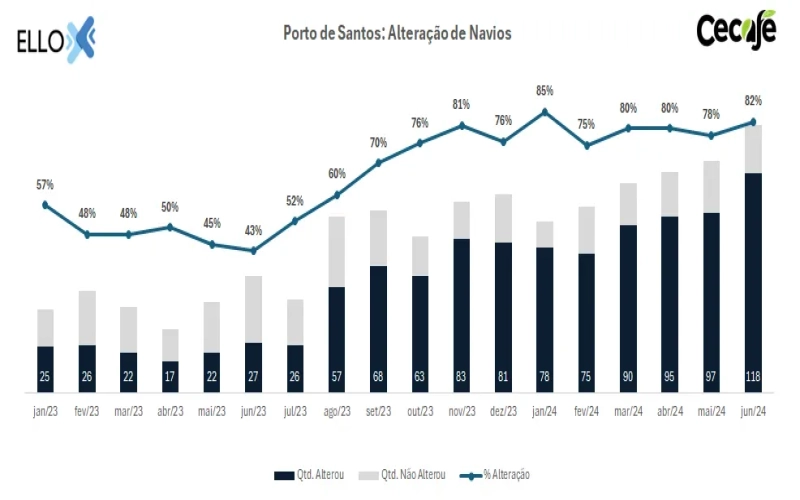
Brazilian coffee exports hit by a double whammy: port delays cause $290 million in losses, while high temperatures and drought continue to threaten production.
The Brazilian coffee industry is currently facing severe challenges. According to the latest report from the Brazilian Coffee Exporters Council, the delay rate at major ports reached 62% in June, leaving 1.23 million bags of coffee unable to be exported on schedule and causing foreign exchange losses of approximately US$290 million. The delay rate at the Port of Santos climbed to a record high of 82%. At the same time, persistent high temperatures and drought are affecting core producing regions such as Minas Gerais, and harvested coffee beans are showing undersized defects, with production expected to be revised down by 2 to 3 million bags. In addition, the dengue fever outbreak has exacerbated labor shortages, further weighing on exports. Front Street Coffee continues to monitor developments in Brazilian producing regions and brings you the latest industry analysis. [more…]
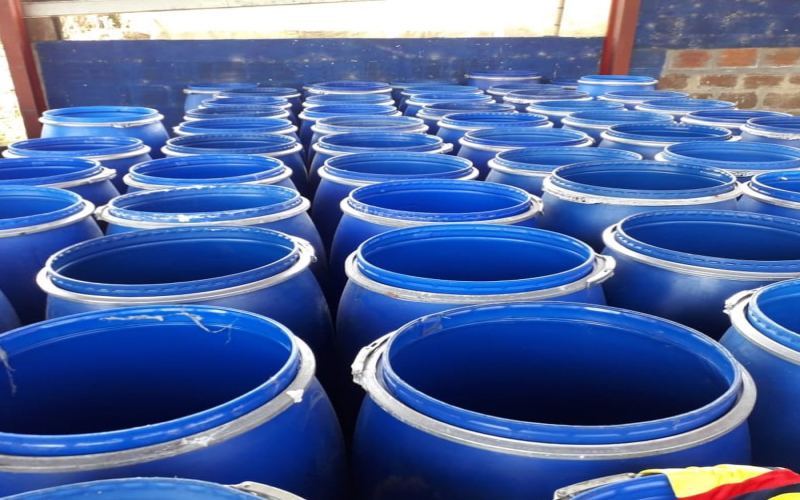
Flavor analysis of Huila, Colombia Huayueye coffee beans: Exploring anaerobic natural processing and strawberry notes
The Colombian coffee industry is currently facing the challenge of a shortage of picking labor due to the pandemic, while the Huila region continues to attract attention for its balanced flavor and rich fruity notes. The Flower Moon coffee beans from the Acevedo Gading farm that Front Street Coffee has acquired use the anaerobic natural processing method and are based on the Caturra variety, displaying complex flavors such as strawberry jam, cranberry, and liqueur-filled chocolate. This article will guide you through the latest developments in the Colombian production region, provide an in-depth analysis of the characteristics of the Huila region, the processing method and cupping performance of the Flower Moon coffee beans, and share Front Street Coffee's roasting and brewing insights. [more…]

Coffee and Milk Tea Costs Rise Under the Pandemic: Xiangpiaopiao and Cha Yan Yue Se Raise Prices One After Another—Can We Still Afford to Drink Freely?
The COVID-19 pandemic has lasted for more than two years, and rising prices have spread to the beverage industry. Xiangpiaopiao announced on the evening of January 4 that it would raise prices for solid instant milk tea by 2%-8%, and Sexy Tea also raised most of its milk tea products by 1 to 2 yuan starting from January 7. This article sorts out the price increase details of the two brands, netizens' reactions, and the deeper reasons such as coffee futures doubling, shipping prices climbing, and raw material shortages. When coffee freedom was lost in 2021, will milk tea freedom also face a threat in 2022? What is left of the happiness of office workers? The article also mentions related product information from Front Street Coffee for readers' reference. [more…]
Brazil's coffee exports plummeted 27% in August, global prices soared by nearly 50%, and the industry faces multiple challenges.
Recently, the Brazilian coffee industry has come under multiple pressures: August exports fell 27% year-on-year, transportation bottlenecks have left large quantities of goods stranded at ports, and industry losses have reached as high as US$500 million. At the same time, global coffee prices have surged by nearly 50%, intensifying market volatility. Brazil has already sold 60% of this year's crop, but Arabica growth has slowed. On the weather front, the southern producing regions have received rainfall, which may affect the subsequent harvest. This article summarizes the latest producing-region news, covering exports, sales, climate, and Front Street Coffee-related developments, providing coffee lovers with a comprehensive interpretation. [more…]
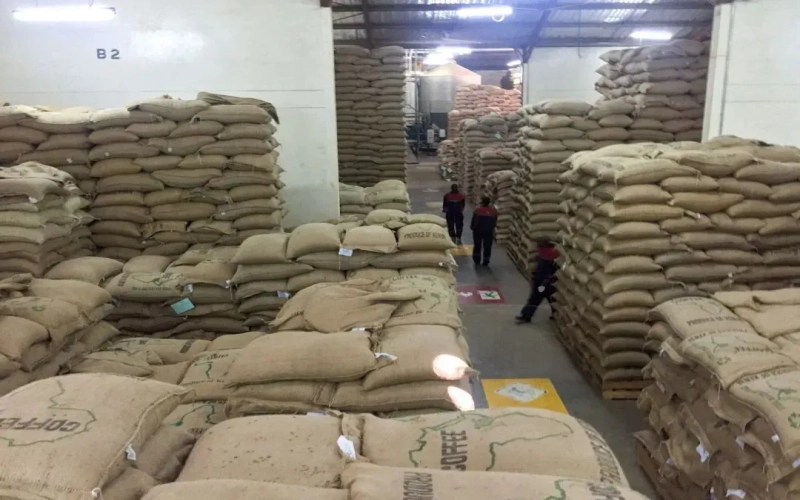
Kenyan coffee auction prices rise 15%, as declining production and political volatility loom over the industry
After the Nairobi Coffee Exchange in Kenya reopened, coffee auction prices rose significantly, with AA-grade green beans fetching US$275 per bag, up 15% from before. Behind this increase are both the direct impact of the government's push for industry reforms and the reduction of intermediary links, as well as multiple pressures such as insufficient processing plant capacity, a shortage of certified planting materials, and the mpox outbreak and domestic political instability. Despite the higher prices, coffee export earnings fell 11.38% year on year, and the industry's outlook remains full of uncertainty. [more…]
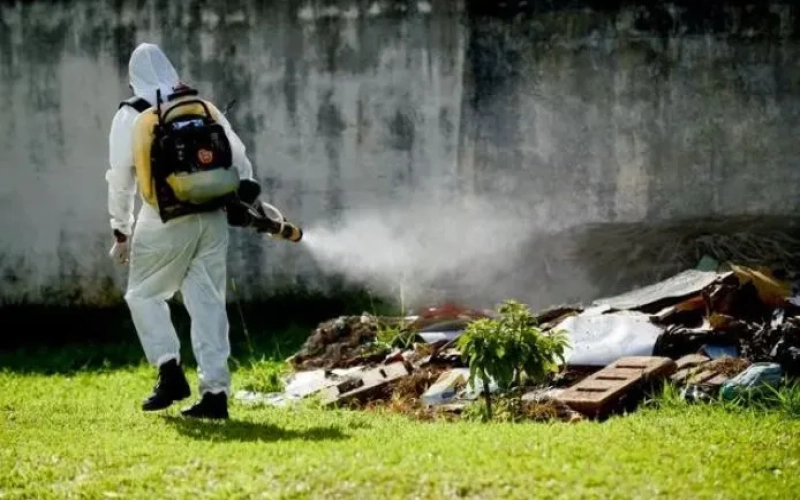
Dengue Fever Outbreak Hits Brazil's Coffee Industry: Harvest Slows, Port Congestion Worsens, Indonesia Cases Surge
The hot and humid climate brought by El Niño created conditions for mosquito breeding, leading to severe dengue fever outbreaks in multiple countries across the Americas. Among them, Brazil's confirmed cases exceeded 3.5 million, with 1,544 deaths, both hitting the highest records since 2000. Hospital admissions surged, with the average dengue fever admission rate at São Paulo's municipal hospitals reaching 90%. At the same time, Brazil entered the early stage of harvesting the new Robusta coffee season, and a large number of workers were absent due to illness, significantly slowing down the harvest progress. The Port of Santos had long been plagued by ship delays due to aging facilities, outdated management, and insufficient manpower, and the epidemic further worsened congestion. In March, the coffee ship delay rate rose to 80%, reaching 81% at the Port of Rio de Janeiro and 59% at the Port of Vitória. In Asia, Indonesia also experienced a dengue fever outbreak, with over 60,000 confirmed cases and 475 deaths, about three times that of the same period last year. Front Street Coffee reminds you to pay attention to origin updates and travel safety. [more…]
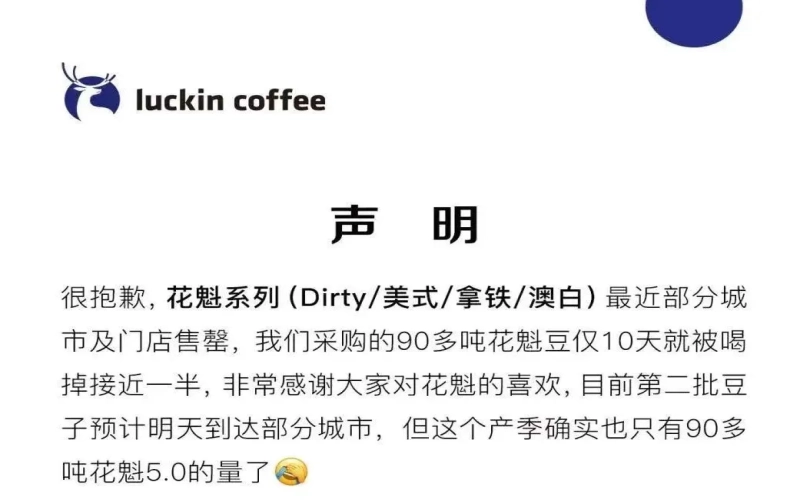
Luckin Launches Another Huakui PLUS Series SOE, Unveiling the Story Behind the Huakui Queen Coffee Beans
Luckin Coffee's previously launched Huakui 5.0 SOE sparked widespread discussion in the market, with话题 ranging from its low-price strategy to insufficient stock and repeated sellouts. Now Luckin plans to launch the Huakui PLUS series SOE in the second half of the year, with purchases reportedly set to exceed 250 tons, aiming to become the world's largest buyer of Huakui PLUS green beans. So what exactly is Huakui PLUS? How does it differ from Huakui 5.0 and Huakui 6.0? This article will review the sales history and purchasing details of Luckin's Huakui SOE, and take a deep dive into this natural-process heirloom variety from the Buku Abel washing station in Sidamo—the coffee bean named "Huakui Queen" by domestic green bean traders. [more…]

Luckin's Huakui 5.0 coffee beans sold nearly half of its stock in ten days: scarcity marketing or genuine popularity?
Luckin's Geisha 5.0 coffee beans consumed nearly half of the inventory in just ten days after launch, selling out in many stores, sparking heated discussions among netizens about hunger marketing. This article sorts out Luckin's two statements regarding the out-of-stock incident, Li Guoqing's questioning video, netizens' jokes and doubts, and provides a detailed analysis of the naming rules of the Geisha X.0 series, the harvest time of the new season in Ethiopia, and the expected arrival of Geisha 6.0 in 2022. At the same time, the article also mentions information about Front Street Coffee as a recommended channel for specialty coffee beans. [more…]
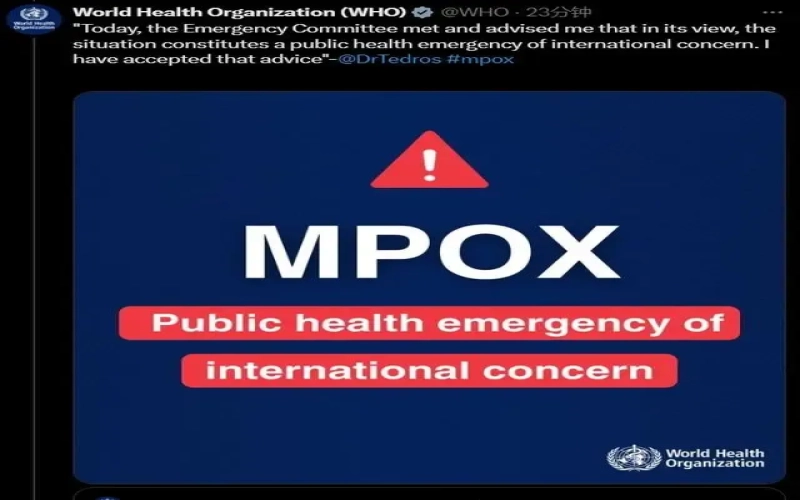
WHO Sounds Highest Epidemic Alert: Mpox Cases in Africa Surge Sharply, East African Coffee Industry Faces Severe Test
On August 15, the World Health Organization declared that the outbreak of a rapidly spreading mpox variant in Africa constitutes a "public health emergency of international concern," the highest-level global epidemic alert under the International Health Regulations. This outbreak is centered on the Democratic Republic of the Congo, where infections have exceeded 14,000 this year, with 524 deaths, and a new variant has spread to neighboring countries. Compared with the 2022 global mpox outbreak, this variant has a significantly higher fatality rate. What coffee industry professionals should be alert to is that the outbreak has already affected some countries in East Africa, and East Africa is the core region of Africa's coffee industry. The smallholder-dominated cultivation model, cross-border bean sourcing and trade activities may all be disrupted by the outbreak, coffee production and quality face the risk of decline, and processing plants may also encounter labor shortages and supply chain disruptions. Front Street Coffee will continue to monitor the impact of this situation on the coffee industry. [more…]

Starbucks Mid-Autumn mooncakes hit a quality control snag: unopened ones split in half, and stockouts at many stores spark consumer complaints.
As Mid-Autumn Festival approaches, Starbucks mooncakes have once again become a hot topic. However, this year, beyond the usual complaints, more consumers report encountering genuine quality issues: unopened mooncakes split in half, significant differences in appearance among the same variety, and even suspicious black spots. At the same time, many stores are out of stock of mooncakes, making scheduled pickups extremely difficult. As a brand that has persisted in selling mooncakes for over twenty years in the coffee industry, Starbucks is facing a severe test of its quality control and supply chain management this year. This article will give you the full picture of the incident, along with recommendations related to Front Street Coffee that coffee enthusiasts care about. [more…]